
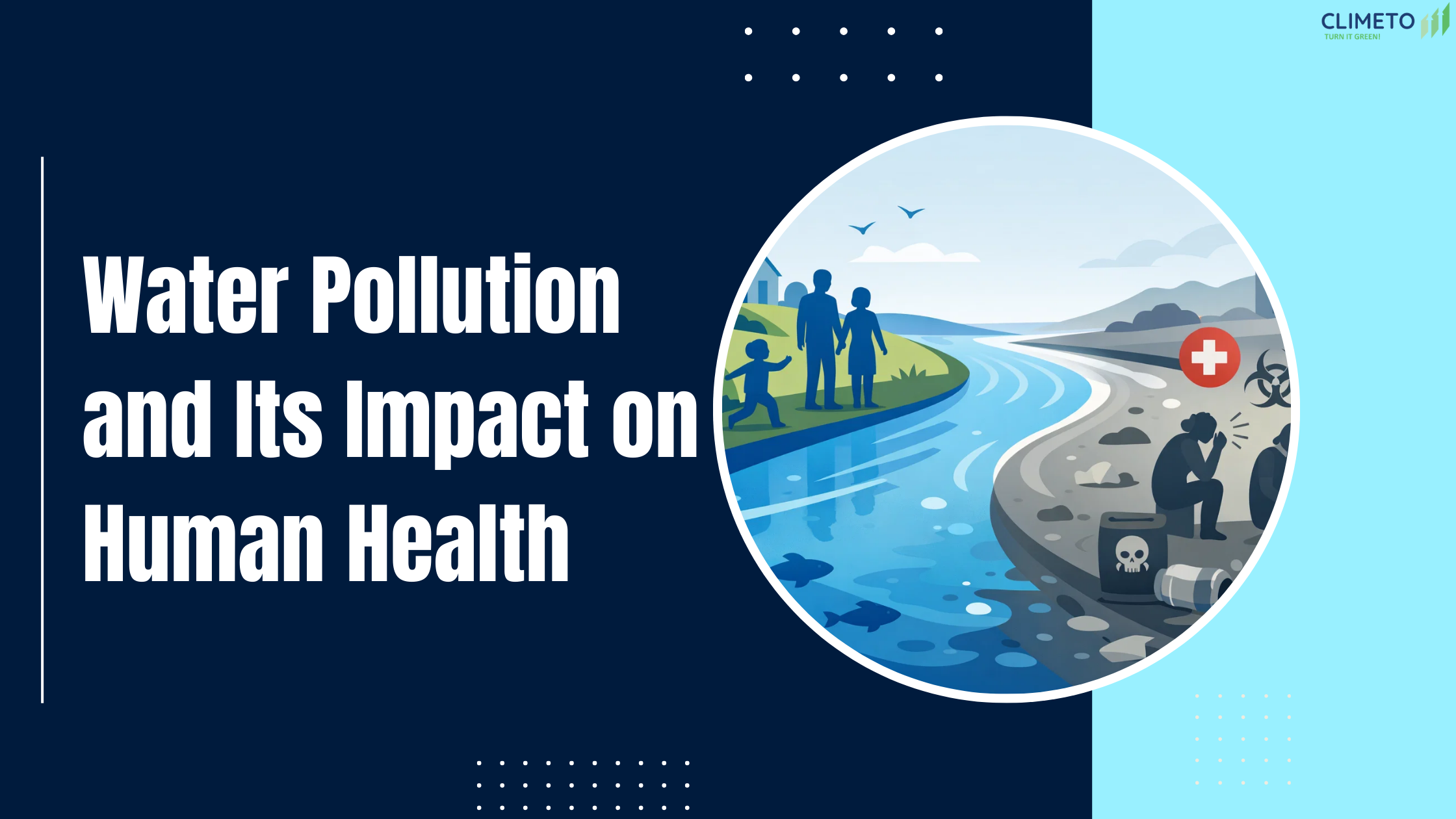
Water is fundamental to life—but today, polluted water has become one of the biggest threats to human health worldwide. From contaminated drinking water to polluted rivers, lakes, and groundwater, water pollution directly and indirectly affects millions of people every year.
According to global health estimates, unsafe water and poor sanitation contribute to hundreds of thousands of preventable deaths annually, especially in developing economies. The consequences extend far beyond short-term illness, impacting long-term health, productivity, and quality of life.
This blog explores the major consequences of water pollution on human health, the pollutants responsible, and why addressing water contamination is critical for sustainable development.
What Is Water Pollution?
Water pollution occurs when harmful substances—chemical, biological, or physical—enter water bodies, making the water unsafe for drinking, cooking, bathing, agriculture, or industrial use.
Common Sources of Water Pollution
- Industrial effluents and chemical discharge
- Untreated sewage and wastewater
- Agricultural runoff (fertilizers and pesticides)
- Plastic waste and microplastics
- Heavy metals from mining and manufacturing
- Oil spills and urban stormwater runoff
Waterborne Diseases and Infections
One of the most immediate and severe impacts of water pollution is the spread of waterborne diseases. Contaminated water often contains bacteria, viruses, and parasites such as:
- E. coli
- Vibrio cholerae
- Salmonella
- Giardia
Health Impacts:
- Diarrhea and dehydration
- Cholera and typhoid fever
- Hepatitis A and E
- Dysentery
Children, elderly individuals, and immunocompromised populations are the most vulnerable. Repeated exposure can lead to chronic malnutrition and weakened immunity, especially in children.
Long-Term Exposure to Toxic Chemicals
Industrial and agricultural pollution introduces toxic chemicals into water systems, which accumulate in the human body over time.
Key Pollutants:
- Heavy metals (lead, mercury, arsenic, cadmium)
- Pesticides and herbicides
- Industrial solvents
Health Consequences:
- Neurological disorders
- Kidney and liver damage
- Developmental delays in children
- Hormonal and endocrine disruption
For example, arsenic-contaminated groundwater has been linked to skin lesions, cardiovascular disease, and increased cancer risk.
Increased Cancer Risk
Certain water pollutants are known carcinogens.
Long-term consumption of polluted water containing:
- Arsenic
- Nitrates
- Industrial by-products
can significantly increase the risk of:
- Bladder cancer
- Liver cancer
- Skin cancer
- Gastrointestinal cancers
The risk is especially high in regions where water quality monitoring and treatment infrastructure is weak.
Reproductive and Developmental Health Issues
Water pollution affects not only individuals but future generations.
Impacts Include:
- Reduced fertility
- Pregnancy complications
- Low birth weight
- Birth defects
Endocrine-disrupting chemicals found in polluted water can interfere with hormonal systems, affecting reproductive health in both men and women.
Neurological and Cognitive Disorders
Heavy metals like lead and mercury are particularly harmful to the nervous system.
Effects on Human Health:
- Learning disabilities in children
- Reduced IQ and memory loss
- Behavioral problems
- Neurodegenerative conditions
Children exposed to polluted water during early development face irreversible cognitive and neurological damage.
Skin and Eye Disorders
Using polluted water for bathing, washing, or daily hygiene can lead to:
- Skin rashes and infections
- Dermatitis
- Eye irritation and infections
In areas with limited access to clean water, these conditions often go untreated, worsening overall health outcomes.
Indirect Health Impacts Through the Food Chain
Water pollution doesn't stop at drinking water—it enters the food system.
Pollutants accumulate in:
- Fish and seafood
- Crops irrigated with polluted water
When humans consume contaminated food, toxins bioaccumulate in the body, leading to long-term health risks even if drinking water appears safe.
Social and Economic Consequences of Water Pollution
Beyond physical health, water pollution creates wider societal impacts:
- Increased healthcare costs
- Loss of productivity due to illness
- Reduced access to safe drinking water
- Greater inequality affecting low-income communities
Communities dependent on polluted water sources often face cycles of poverty and poor health, making water pollution both a public health and development challenge.
Why Preventing Water Pollution Is a Public Health Priority
Addressing water pollution is not just an environmental issue—it is a human health imperative.
Key Solutions Include:
- Strengthening wastewater treatment systems
- Enforcing industrial discharge regulations
- Promoting responsible agricultural practices
- Reducing plastic and chemical pollution
- Encouraging corporate accountability and compliance
Clean water access directly supports public health, economic stability, and sustainable development goals.
A Commitment to Human Dignity
The consequences of water pollution on human health are severe, far-reaching, and preventable. From infectious diseases to chronic illnesses and long-term developmental harm, polluted water undermines the very foundation of human well-being.
Protecting water resources requires collective action—from policymakers, industries, communities, and individuals. Ensuring clean, safe water is not just an environmental responsibility—it is a commitment to human health, dignity, and a sustainable future.