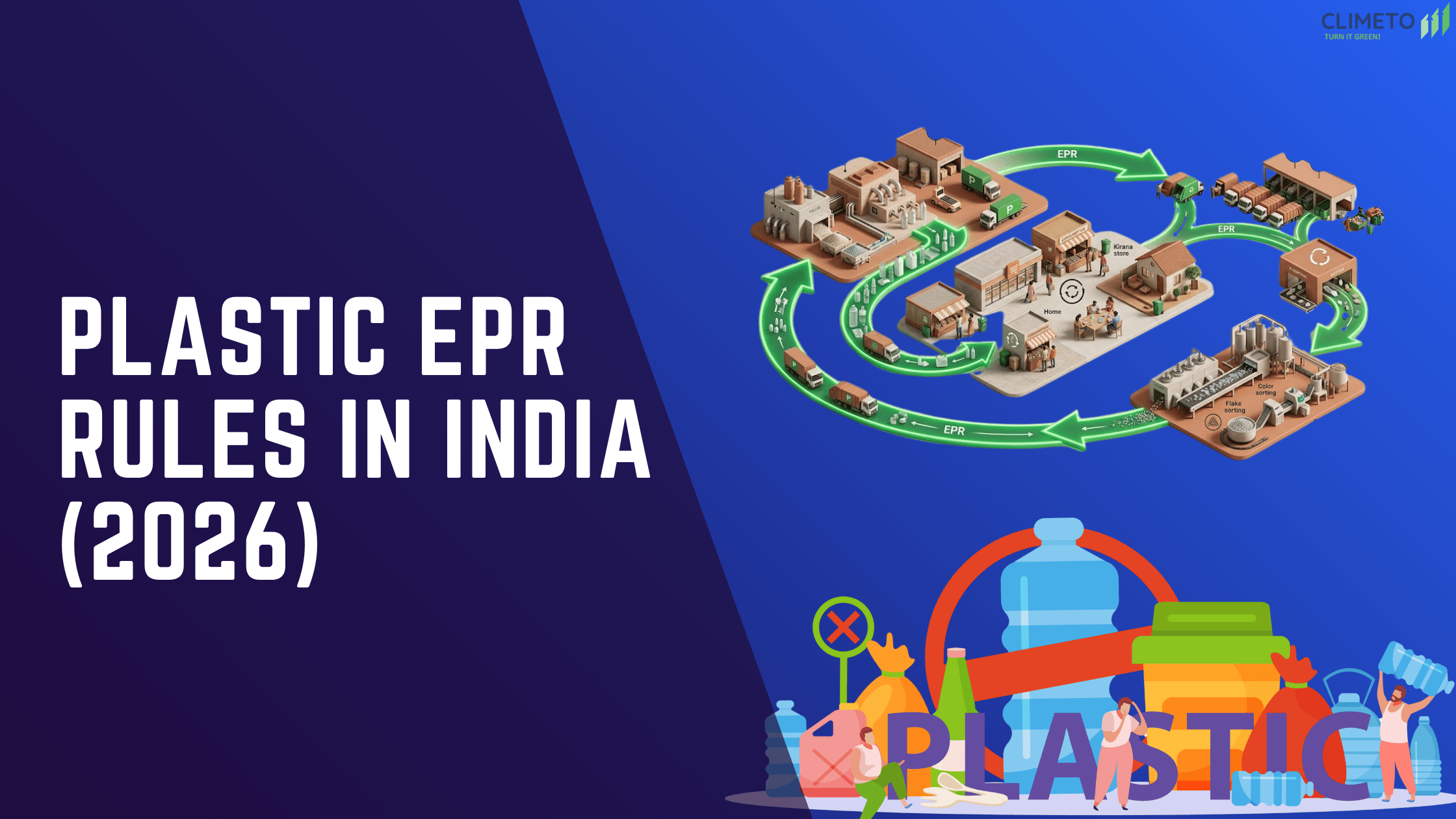
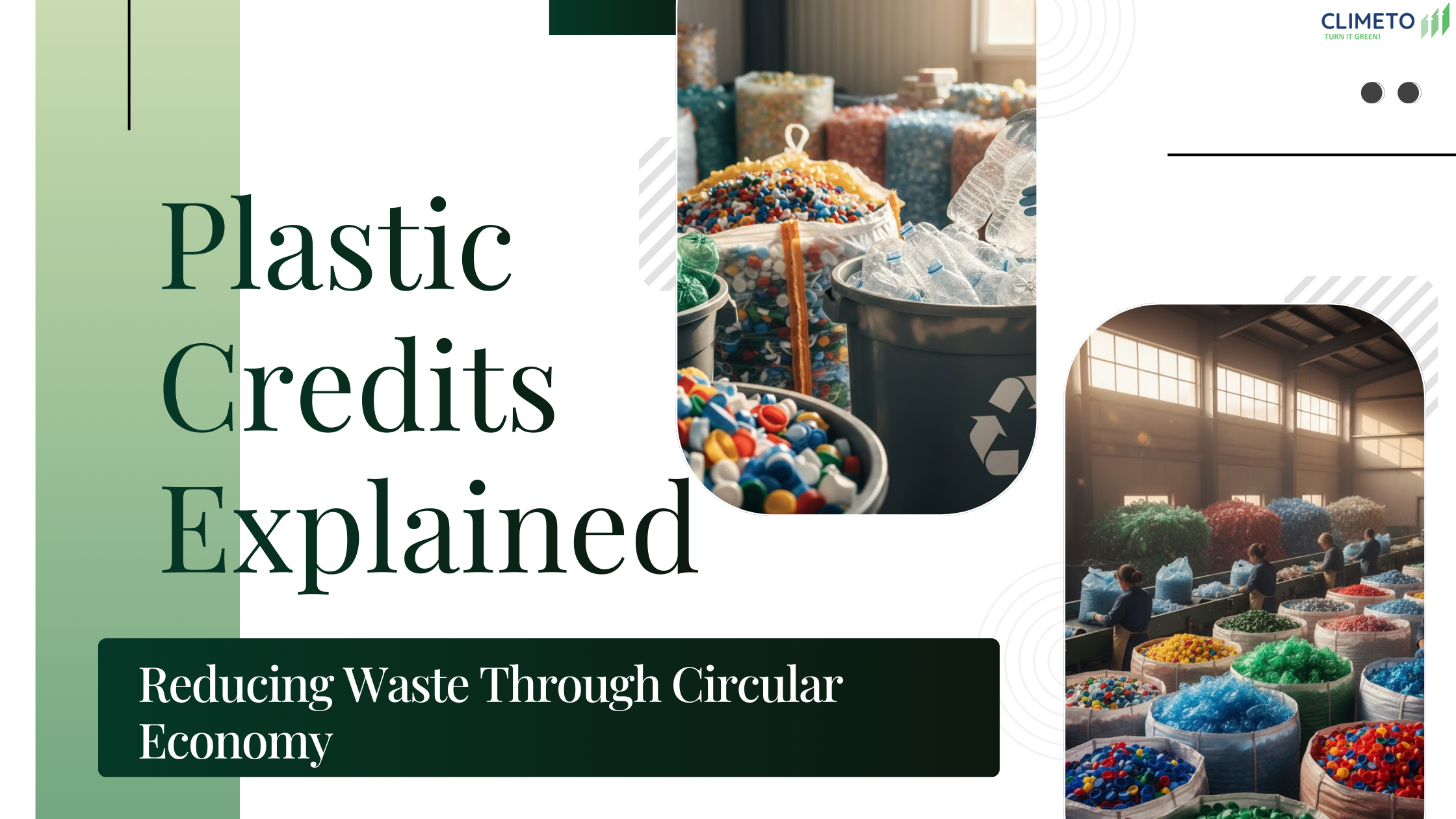
Plastic EPR Rules in India (2026)
These rules require businesses introducing plastic packaging into the market to ensure collection, recycling, reuse, or end-of-life disposal of equivalent plastic waste, along with meeting recycling targets, using recycled content, and maintaining traceability via the Central Pollution Control Board.
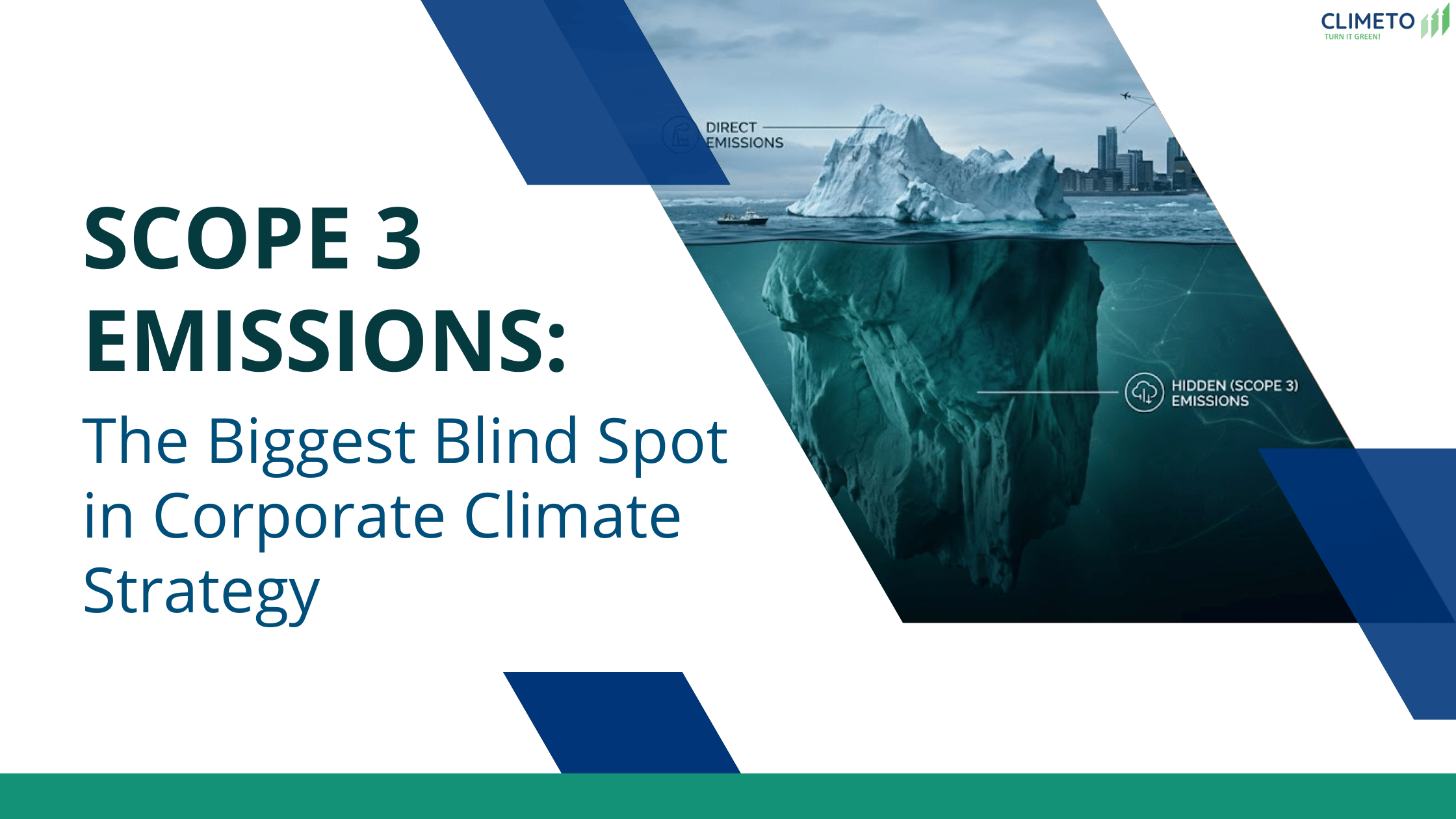
Scope 3 Emissions
For most companies, this is not just a gap.It’s the largest share of their carbon footprint—and the hardest to control.
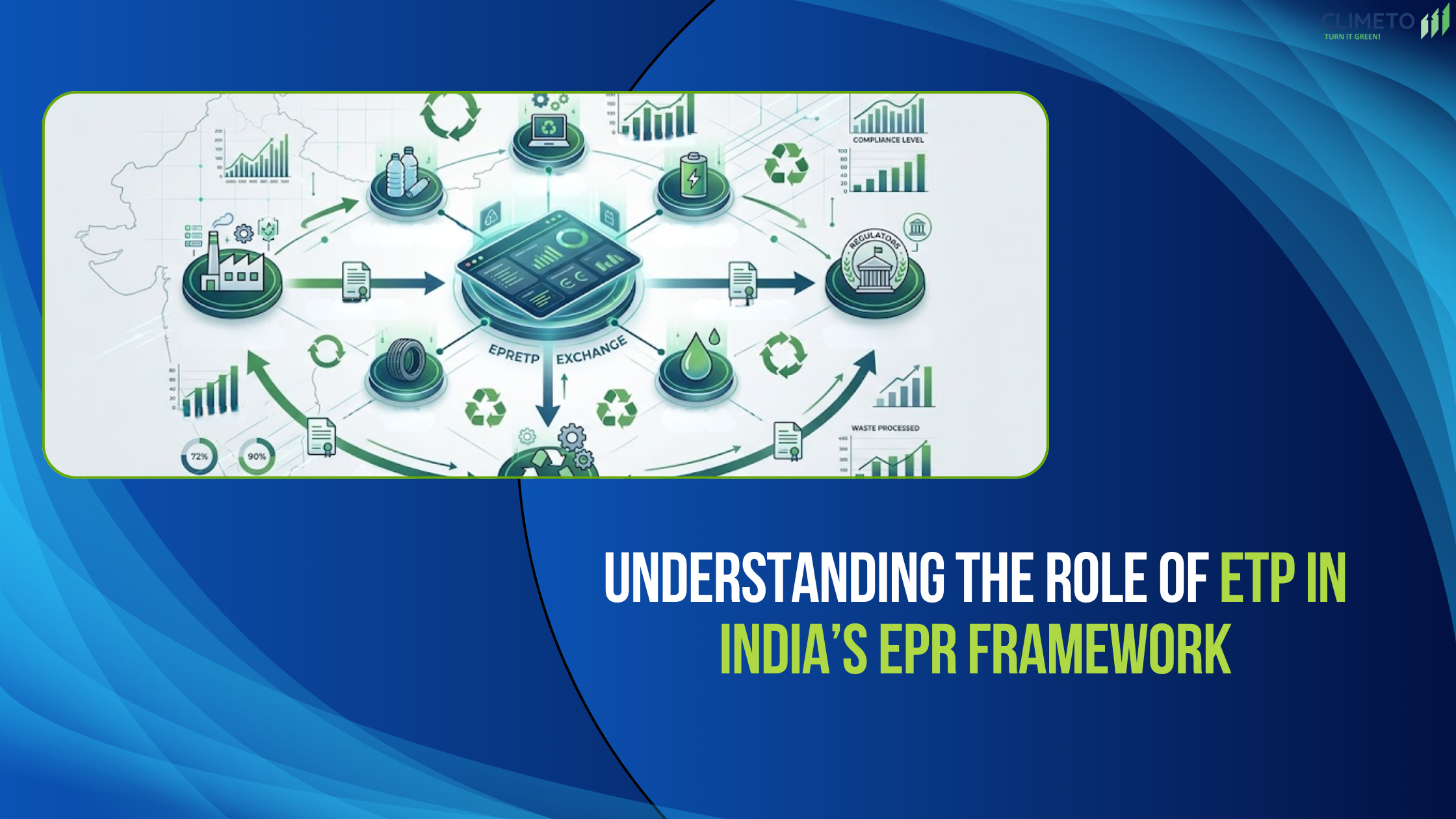
India’s EPR Ecosystem Enters a New Phase with the EPRETP Exchange
India’s environmental compliance framework is evolving rapidly. A key development in this transition is the Electronic Trading Platform (ETP)
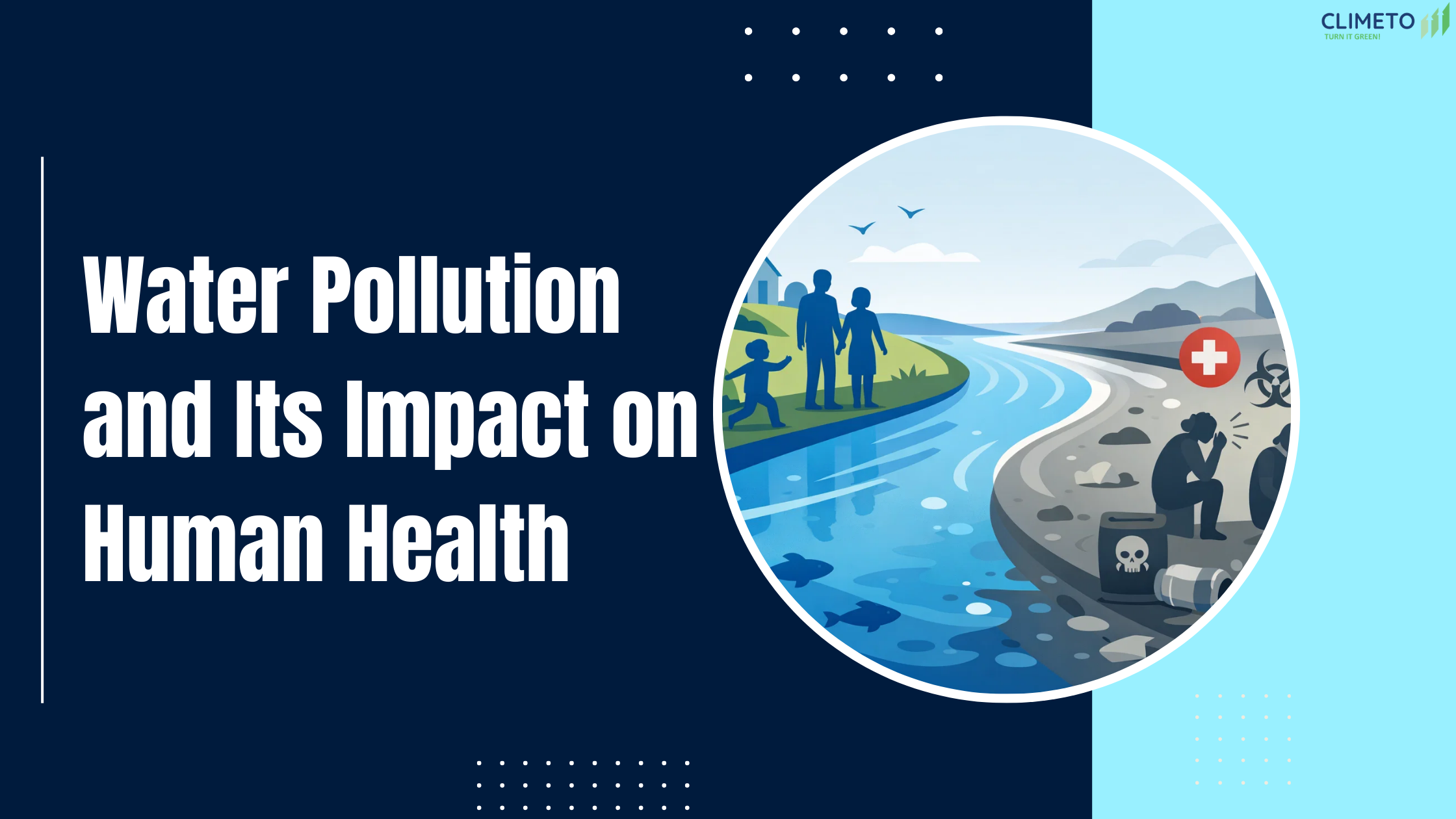
Consequences of Water Pollution on Human Health: A Growing Global Crisis
Water is fundamental to life—but today, polluted water has become one of the biggest threats to human health worldwide.
Plastic Credits in India and Globally
A plastic credit is a tradable certificate representing a specific amount of plastic collected, recovered, recycled, or responsibly managed.
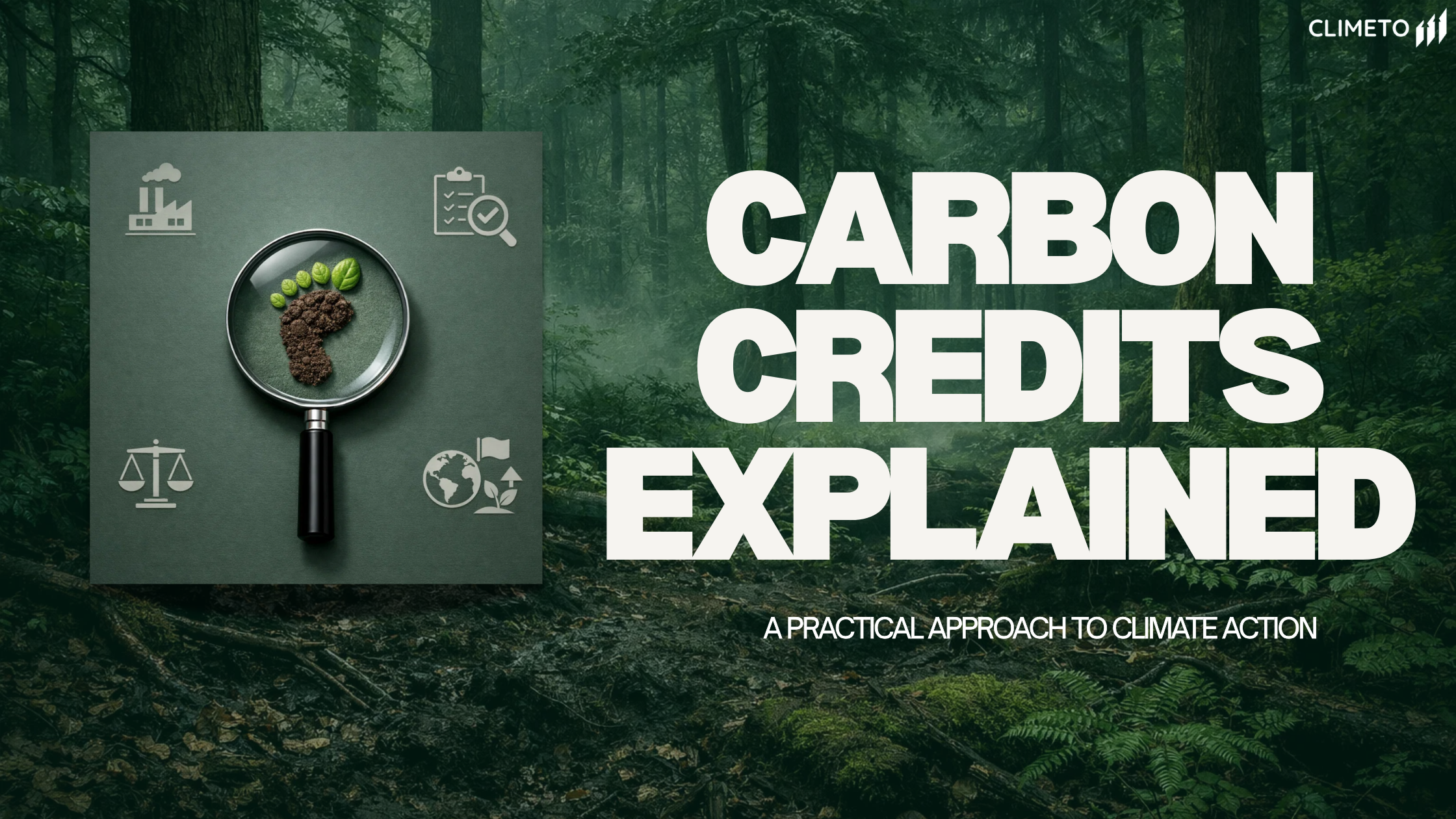
Carbon Credits Explained
Carbon credits are tradable certificates that represent the reduction, avoidance, or removal of one metric tonne of carbon dioxide (CO₂) or equivalent greenhouse gases (GHGs) from the atmosphere.