
Overview
What Are Plastic Credits?
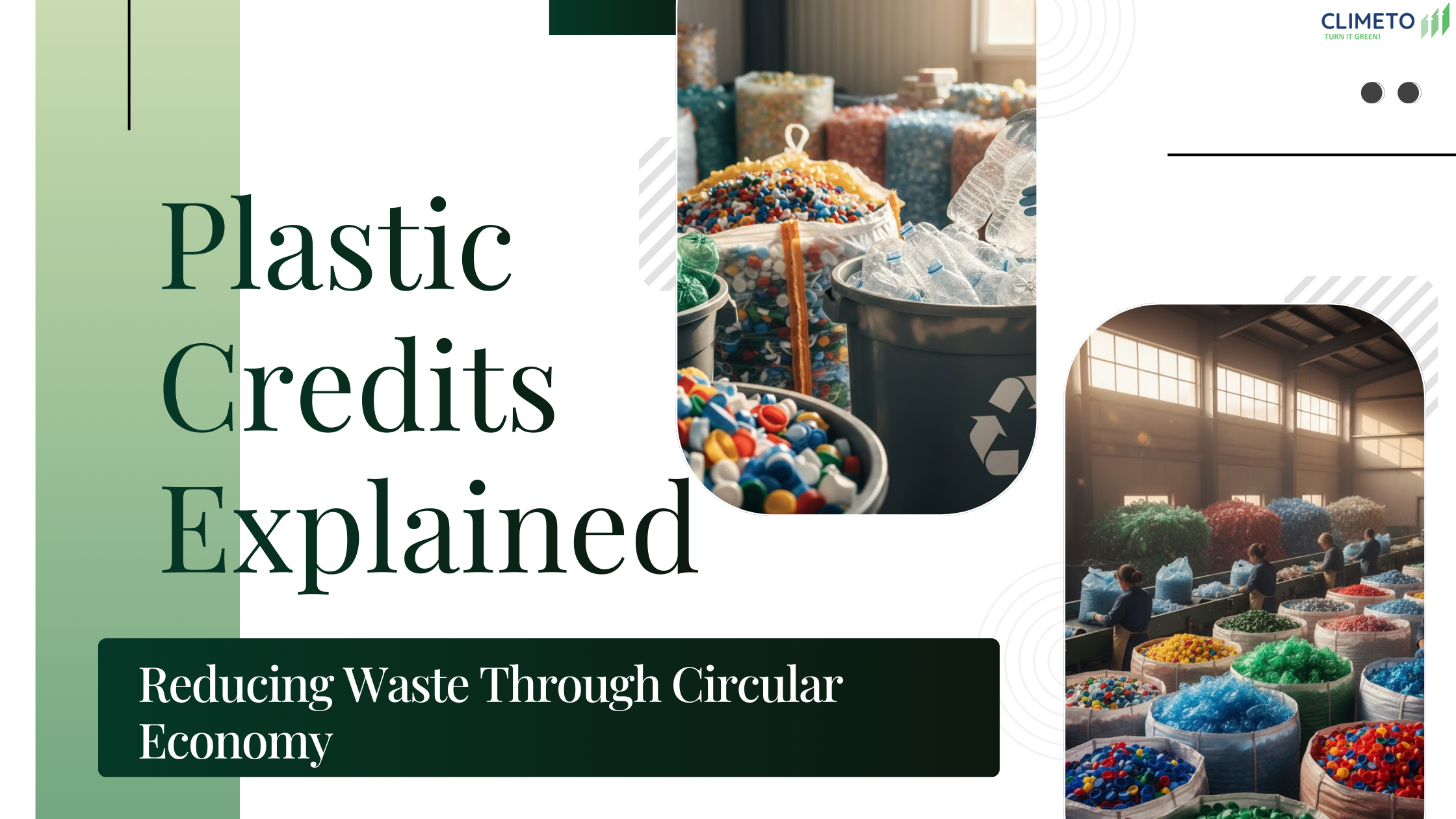
A plastic credit is a tradable certificate representing a specific amount of plastic collected, recovered, recycled, or responsibly managed. Each credit typically corresponds to 1 kilogram or tonne of plastic waste removed from the environment or processed.
Plastic credits are similar in concept to carbon credits — instead of offsetting emissions, they offset plastic footprint. (credynova.com)
Note: In India, plastic credits often intersect with EPR (Extended Producer Responsibility) compliance, while globally they also exist as voluntary sustainability tools.
Purpose
Why Plastic Credits Exist
Plastic credits serve several key purposes:
Process
How Plastic Credits Work
Standards
Global Plastic Credit Standards: Comparison
| Standard / Framework | Issuer / Owner | Scope & Focus | Verification / Quality Control | Notes |
|---|---|---|---|---|
| Verra Plastic Waste Reduction Standard (PWRS) | Verra | Plastic waste collection and recycling; Waste Collection Credits (WCC) & Waste Recycling Credits (WRC) | Independent third-party validation & verification; registry tracking | Structured, robust, transparent; voluntary |
| Plastic Pollution Reduction Standard (PPRS) | PCX Solutions | Plastic cleanup, waste prevention | Third-party verification, additionality criteria | Credible, growing standard |
| Verified Plastic Credit Schemes (Registry-specific) | Multiple platforms (PlasticCredits.org) | Projects aligned with ISEAL best practices | Audited by independent bodies | Quality varies by registry |
| ISO / Third-Party Verified Systems (CleanHub, TÜV SÜD) | TÜV SÜD | Verifies program integrity, not a credit per se | ISO 14064 / ISO 17029 verification | Ensures program accuracy and transparency |
Note: There is no single globally accepted standard yet; verification, traceability, and additionality are key indicators of credibility.
Evaluation
What Makes a Plastic Credit Standard Credible?
When evaluating plastic credits, look for:
Guidance
Best Practices for Companies Using Plastic Credits
FAQ
Frequently Asked Questions
Conclusion
Key Takeaways
Plastic credits are a strategic tool to finance waste collection, support sustainability goals, and strengthen circular systems. However, they must complement reduction and recycling efforts, not replace them.
Companies should focus on:
- Reduction at source
- Using credible, third-party verified credits
- Linking purchases to tangible environmental impact
- Integrating with EPR compliance and ESG initiatives
By doing so, plastic credits can truly advance sustainability and the circular economy while supporting corporate and regulatory goals.